Everything that's happened in commodity markets since the dollar's decline (which really began in 2001, after 9-11), especially rising base metals prices foremost, has been the global reaction to the end of the global dollar standard.
Investors didn't diversify dollar risk by buying euros (although some of them, of course, did just this.) They bought zinc, or they bought hedge funds that bought zinc futures. Or they bought Zinifex. Some of them may have even stockpiled the commodities that real economies use (zinc, copper, aluminum, corn, wheat, gas etc.)
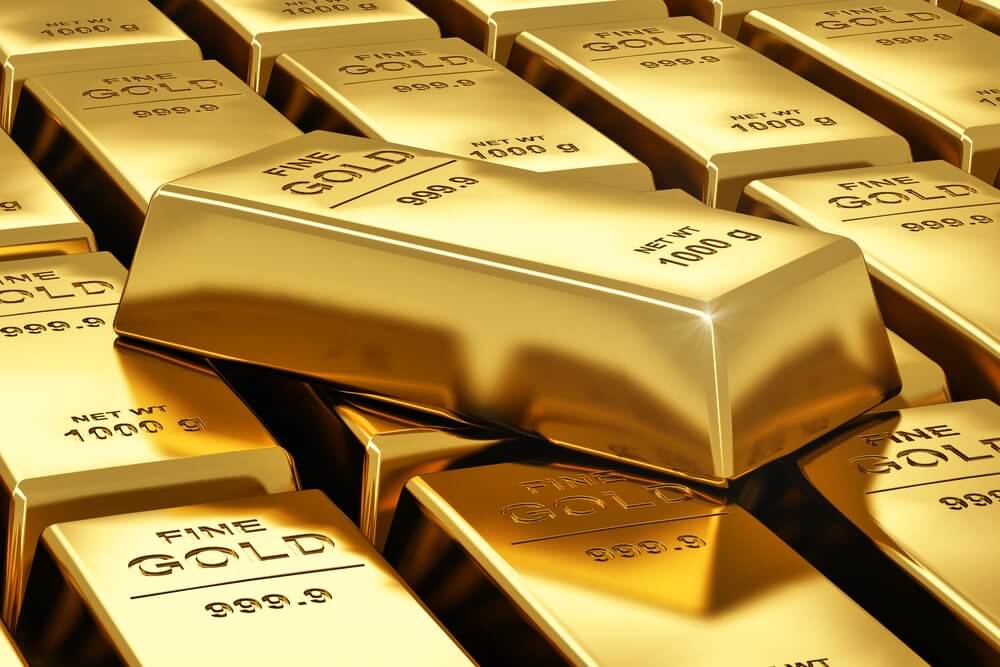
This, by the way, is gold's reason for underperforming in the last year. It is not a commodity that's useful in a real economy. Gold is handy in a hyperinflation, when the public acknowledges a huge loss in purchasing power.
But weighed against useful things people can trade for dollars in the last three years, gold has been found wanting. It may continue to under perform until there is a genuine financial crisis.
But out point today is simple: we should probably not be measuring the dollar's collapse in gold terms right now...but in base metals...grains...and in the great shift of forex reserves into actively managed portfolios by publicly listed so-called "wealth management" companies.
Not that we'd be buying shares in any of these new Private Equity floats...but you could do worse than just buy calls on the exchanges themselves....if you were a speculator. And if you're not a speculator, take heart.
Thirty percent of the world's population is beginning to consume energy, calories, steel, copper, zinc, and Big Macs at the rate you and I have enjoyed for the last 20 years. This is the floor under the commodities boom. And though the superstructure of global finance looks tenuous as it climbs ever higher, the floor feels pretty solid…for now.
Dan Denning
The Daily Reckoning Australia
Is gold useful in a real economy? Will the commodities boom last? Leave a comment below.
P.S. to get The Daily Reckoning direct to your inbox sign up to our free e-mail newsletter or if you prefer to use RSS, subscribe to the Daily Reckoning RSS feed.
Related Articles:
- None Found
About the Author
Dan Denning is the author of 2005's best-selling The Bull Hunter (John Wiley & Sons). He began his financial publishing career in 1997 and has covered financial markets form Baltimore, Paris, London and, beginning in 2005 Melbourne. He’s the editor of The Daily Reckoning Australia and the Publisher of Port Phillip Publishing.


Comment by Chris. Fulker on 23 May 2007:
What happens when EVERY asset class - housing, stocks, base metals, PMs, commodities, the lot - are driven sky-high by this tidal wave of liquidity? Everyone sits around waiting for a crash - which may not happen. What will happen is that there will be a division of society into classes based on who has the money, or at least on who has access to the new money first. Those in the finance sector, government job holders, the rich, those with secure jobs. Assets will continue to be traded, bought and sold - but by fewer and fewer people. (Save we penny stock pickers...!) Upward mobility for anyone under 30 will stall, if it hasn't already. The children of architects, lawyers and doctors will increasingly be working in supermarkets for at least some portion of their lives.
For example, common wisdom holds it that the cause of high house prices in the UK is a shortage of houses, for whatever reason. This is of course not true: with so much paper money floating around, a class of "homeowners" (many with more than one house) and "spoeculators" (buy-to-let) has been empowered. But for the vast majority of the wage-earning population, housing is either unaffordable without a massive mortgage or is simply an utterly unattainable dream now. They are way down the ladder in terms of getting their hands on the new "wealth". So the net effect is that a smaller class of people are playing the buy-and-sell-asset game among themselves.
What has all this got to do with gold and industrial metals? I say, don't worry, their prices will be lifted too, just as with any other asset class. If gold rises more slowly than base metals, it only makes gold a better bargain at a later date. But this payola can go on more of less indefinitely I think - until comes the revolution...
Comment by william greeson on 23 May 2007:
Man has an eternal love affair with silver and gold! Both will be around long after the paper dollar has collapsed! I'm liking silver better though till the ratio reverts back to 16-1!! Where we are now at 51 to 1 is ridiculous when reviewing centuries of history!
Comment by bill on 27 May 2007:
it seems to me that a "gold standard" is very useful in a
real economy.
confidence in money is a good reason to be productive.
b.