



- ASX News LIVE | ASX to Bounce; Big Week of Earnings Ahead for Wall St; Citi Downgrades Aus Banks
 The ASX 200 is set to bounce today as the dust settles on the conflict in the Middle East. Energy is expected to lag today as oil prices ease after spiking last week.

Investment ideas from the Edge of the Bell Curve to your inbox
Enter your email address in the box below and you’ll get Fat Tail Daily every day…absolutely free.
ASX News Updates
- Capricorn Metals [ASX:CMM] Falls on Lower Production but Gold Price Offers Hope
 Capricorn Metals disappoints investors with low production due to heavy rainfall. Does this offer a buying opportunity?
Commodities
- Unpacking the Growing Momentum in the Gold Rally
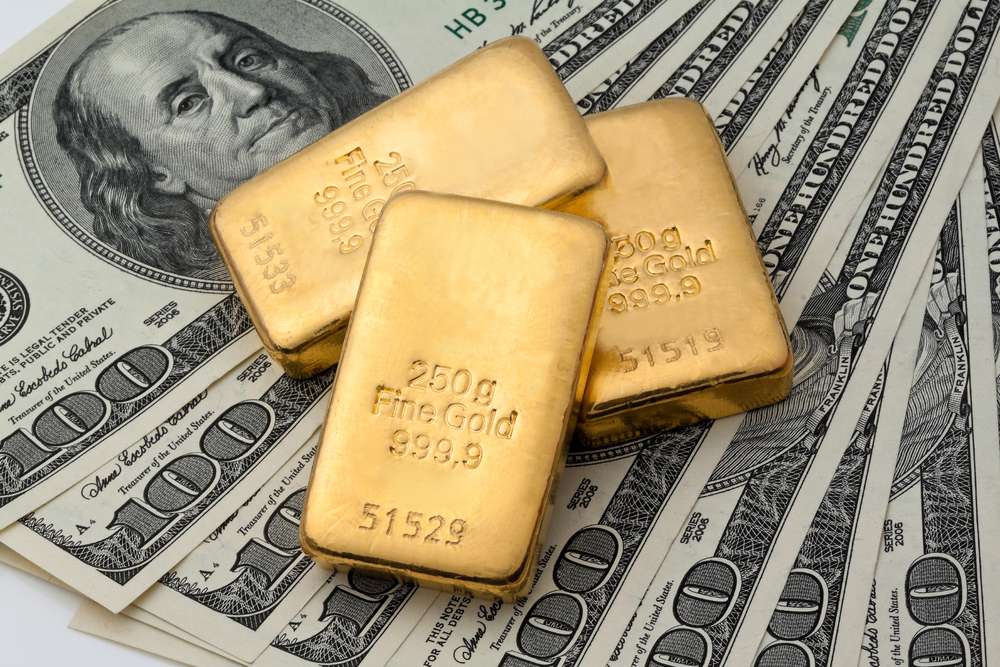 Delve beyond the headlines to find out what’s causing gold’s latest moves
Investment ideas from the Edge of the Bell Curve to your inbox
Technology
- Unpacking the Growing Momentum in the Gold RallyDelve beyond the headlines to find out what’s causing gold’s latest moves

Investment ideas from the Edge of the Bell Curve to your inbox
Enter your email address in the box below and you’ll get Fat Tail Daily every day…absolutely free.


