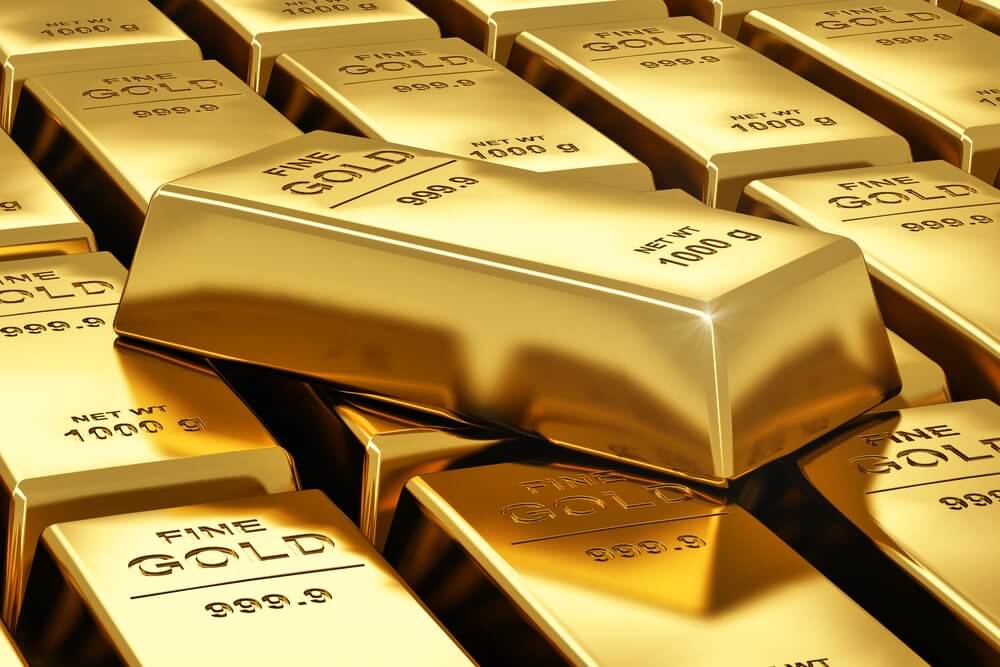
Despite BHP (ASX:BHP) upgrading gold reserves at the Olympic Dam yesterday from 71 to 78 million ounces, the relative tightness in gold supply—both mine and above ground gold—is one reason gold analyst Martin Murenbeeld is predicting an average gold price of US$823/oz in 2008.
Speaking at a gold conference not far from where we grew up in Denver, Colorado, Murenbeeld gave eight reasons he believes gold is in a bull market. One—that it is NOT the US dollar—would be good enough for us. But Murenbeeld makes some other points worth noting.
First, he believes the house price trouble in the US may spread to other countries that have even worse housing fundamentals than Team America. The economic aftershocks of housing stress in other countries will prompt similar reactions from other central banks—lower interest rates. When the money supply grows faster than the gold supply, inflation ensues.
“US house prices are not as stretched as elsewhere because house prices are out of line in Europe as well. That means the housing problems in the US have a very good chance of going around the developed world,” Murenbeeld says. He is not especially worried about central bank gold sales, a possibility we mentioned last week.
“The amount of loose gold in the central bank system is modest. It amounts to about 4,000 tonnes that is available to be traded out of total holdings of 30,383 tonnes. That 4,000 tons was a worry back in the 1990s when countries like Argentina sold their gold stocks down to zero. Now, it seems Argentina actually wants to buy gold. Reality is that central bankers seem to be very much like ordinary people. They sell gold at the low point and buy it at the high point.”
We conceded the point. Central bankers are people too. Most people buy when they should sell and sell when they should buy. Just ask Gordon Brown, the man who sold Britain’s gold at the bottom of the gold bear market. Think the Bank of England, while it’s busy writing blank cheques to distressed mortgage lenders, would like to have that gold back now?
Murenbeeld’s first reason to like gold in 2008 is the best one. The organised attempt to keep the credit bubble from rapidly deflating is officially underway. Bond traders are already anticipating another Fed rate cut in short-term rates by pushing up long-term rates. The bond market anticipates the Fed’s inflationary policy by demanding higher yields.
“As a result,” writes Bill Barnhart in the Chicago Tribune, “the interest rate gap between 2-year Treasury notes and 10-year Treasury notes has widened significantly in recent days. The trend indicates an inflationary economy, not one where businesses and investors fear recession. The relationship of long-term Treasuries to short-term Treasuries apparently reflects an anxious shift in the investment preferences of international investors. The latest monthly report on money flows by foreigners in and out of US debt securities in July shows wholesale abandonment of long-dated Treasury securities and corporate bonds in favour of Treasury bills.”
Gold doesn’t yield anything, of course. But it generally moves in the opposite direction to the US dollar. Gold up. Dollar down.
The other excellent point made by Mr. Murenbeeld is that the dollar’s decline is forcing a reallocation of global foreign currency reserves—which total some US$5 trillion. If you want out to get out of the dollar, what do you get into? The euro? The Aussie dollar? Commodity futures? Resource stocks? Probably some of each, which is good news for Aussie investors, who stand to benefit from the reallocation of global currency reserves.
Dan Denning
The Daily Reckoning Australia
P.S. to get The Daily Reckoning direct to your inbox sign up to our free e-mail newsletter or if you prefer to use RSS, subscribe to the Daily Reckoning RSS feed.
Related Articles:
- None Found
About the Author
Dan Denning is the author of 2005's best-selling The Bull Hunter (John Wiley & Sons). He began his financial publishing career in 1997 and has covered financial markets form Baltimore, Paris, London and, beginning in 2005 Melbourne. He’s the editor of The Daily Reckoning Australia and the Publisher of Port Phillip Publishing.


Comment by Coffee Addict on 27 September 2007:
Dan
High inflation is the debtor's friend, particularly in tandem with low interest rates. Any resultant free fall in the $US will also wipe many trillions off the true value of US debt which is, of course, denominated in $US.
Is this line of thinking silly or perhaps a bit over caffeinated?